
Termite & WDI Inspection in the Triangle, NC
Identify signs of wood-destroying insects before closing.
A Wood Destroying Insect (WDI) inspection looks for evidence of termites and other insects that can damage wood structures in a home.
This inspection helps buyers understand whether visible insect activity or damage may be present before purchasing a property.
Rumple Home Inspections provides termite and WDI inspections throughout the Triangle region of North Carolina.
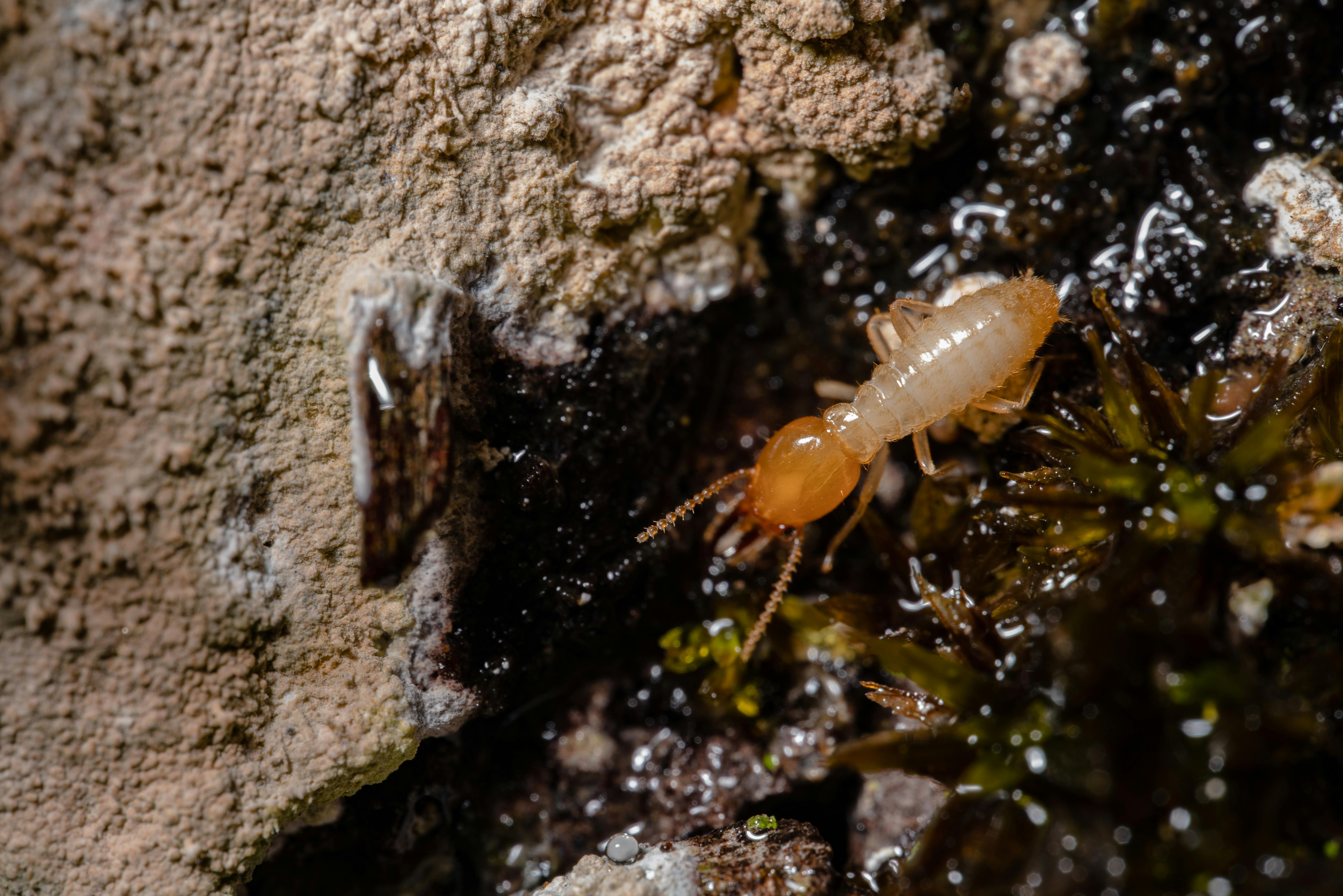
A Wood Destroying Insect (WDI) inspection is a visual evaluation of a home for evidence of insects that damage wood structures.
These inspections focus on insects commonly found in North Carolina, including:
• Subterranean termites
• Carpenter ants
• Powderpost beetles
• Carpenter bees
The inspection looks for:
• visible insect activity
• damage to wood components
• previous treatments or repairs
• conditions that may increase infestation risk
WDI inspections are commonly requested during real estate transactions to help buyers better understand the condition of the property.
No. A standard home inspection evaluates visible systems and structural components.
A WDI inspection is a separate service focused specifically on wood-destroying insects.
Many buyers choose to schedule both inspections during the same appointment.
A termite or WDI inspection may identify signs such as:
Mud tubes along foundation walls
Frass (fine insect debris) near wood surfaces
Hollow or damaged wood framing
Moisture conditions that attract termites
Discarded termite wings near windows or doors
Areas of previous termite treatment
These signs can indicate current or past insect activity affecting the home.
Why Termite / WDI Inspections Matter
Wood-destroying insects can cause structural damage that may require costly repairs if not identified early.
Hidden Damage
Termites often damage wood from the inside, making problems difficult to detect without a focused inspection.
Common in the Region
The warm and humid climate in Raleigh, Cary, Apex, Durham, and Chapel Hill creates conditions where termite activity is common.
Due Diligence
A WDI inspection can help buyers identify visible insect activity or damage before completing a home purchase.
Termite damage is often not visible during a standard walkthrough.
Without a focused inspection, buyers may not be aware of damage or risk conditions before closing.
A WDI inspection is often recommended when:
Purchasing an existing home
There is evidence of previous termite treatment
The home has a crawlspace
The home has visible moisture or wood-to-soil contact
The property is located near wooded areas
Homes with decks or other exterior wood structures exposed to soil
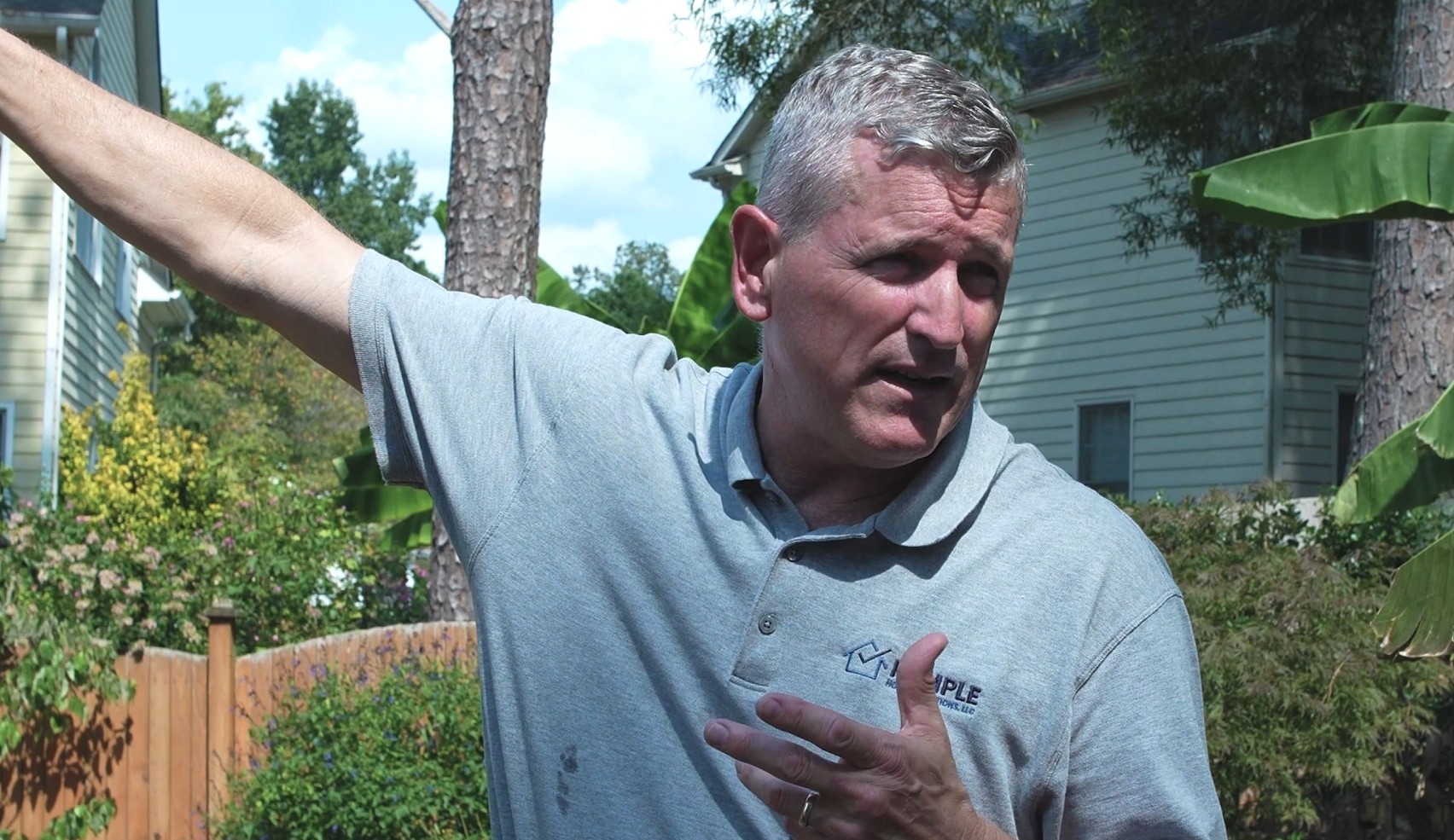
What the Termite / WDI Inspection Includes
The inspection typically includes:
Visual inspection of accessible wood framing and structural components.
Evaluation of crawlspaces and foundation areas when accessible.
Identification of visible termite damage or activity.
Observation of conditions that may promote insect infestation.
Documentation of visible findings in the inspection report.
Any visible concerns are documented so buyers can review them during the due diligence period.
What a Termite / WDI Cannot Detect
Like all home inspection services, a WDI inspection has limitations.
The inspection is visual and non-invasive, meaning it cannot detect every possible issue.
Limitations include:
Hidden infestations inside walls or structural cavities.
Areas that are inaccessible during the inspection.
Damage concealed by finishes or insulation.
Conditions that develop after the inspection
The inspection evaluates visible and accessible conditions at the time of the inspection.
What to Expect During a Sewer Scope Inspection
Termite inspections performed during a home inspection typically follow these steps:
01
Exterior Inspection
The foundation, exterior walls, and areas where wood contacts soil are evaluated for visible termite activity.
02
Crawlspace or Basement Evaluation
Accessible crawlspaces or basements are inspected for signs of termites or wood damage.
03
Interior Observation
Visible wood framing and structural components are evaluated for insect damage.
04
Documentation
Any visible evidence of insect activity or damage is documented in the inspection report.
05
Report Delivery
Inspection findings are included in the report delivered after the inspection.
Who Should Consider a Termite / WDI Inspection
A termite / WDI inspection is commonly recommended when conditions increase the risk of wood-destroying insect activity.
Buyers purchasing a home in the Triangle region
Buyers in the due diligence period before closing
Homes with crawlspaces or wood framing near soil
Homes where activity has been reported or suspected
Homes in areas where termite activity is common
Homes where termite treatment or history is unknown
Many of these conditions are common in homes throughout Raleigh, Cary, Apex, Durham, and Chapel Hill.
Termite / WDI Inspection FAQs
Q
Are termite inspections included in a standard home inspection?
A
Usually not. A standard home inspection evaluates visible systems and structural components. A WDI inspection focuses specifically on wood-destroying insects.
Q
Are termite inspections required when buying a home?
A
Requirements vary by lender and real estate transaction. Many buyers choose to add a termite inspection during the due diligence period.
Q
Can a termite inspection detect hidden infestations?
A
No inspection can detect every hidden infestation. A WDI inspection evaluates visible and accessible areas and identifies signs of insect activity or damage.
Q
What insects are included in a WDI inspection?
A
WDI inspections look for evidence of insects that damage wood, including: Subterranean termites, Carpenter ants, Powderpost beetles, & Carpenter bees
Q
How long does a termite inspection take?
A
When performed with a home inspection, the WDI inspection is typically completed during the same appointment.
Q
Do termite inspections look for past damage or active infestations?
A
A WDI inspection looks for visible signs of both current and past insect activity. This includes active infestations, previous damage, and conditions that may increase the risk of future activity.
Schedule Your Termite Inspection in the Triangle
If you are buying a home in Raleigh, Cary, Apex, Durham, or Chapel Hill, a termite inspection can help identify visible signs of wood-destroying insects before closing.
Schedule a termite inspection alongside your home inspection or book it as a standalone service.