Radon Testing in The Triangle, NC
Professional radon testing that helps buyers and homeowners understand indoor radon levels before making important decisions.
Radon testing can be added to your home inspection or scheduled as a standalone service.
What Is Radon and Why Does It Matter?
Radon is a naturally occurring radioactive gas that can enter homes through soil and foundation openings.
It cannot be seen or smelled, and elevated indoor radon levels have been associated with long-term health risks. Because radon builds up indoors, levels can vary significantly from one home to another.
Testing is the only reliable way to determine the radon level inside a specific property.
For homebuyers and homeowners in the Triangle, radon testing provides clear information about indoor radon levels so informed decisions can be made about mitigation if elevated levels are detected.
When radon testing is scheduled, the test measures the radon level in the home during a controlled testing period.
Measured radon levels inside the home
Testing conditions and documentation
Clear explanation of results
Guidance on typical mitigation thresholds
Results are delivered in a clear digital format so you can review the information during your due diligence period.
Why Radon Testing Matters
Testing Supports Decision
When Should You Add Radon Testing?
Radon testing is commonly scheduled when buying or selling a home in the Triangle region.
Testing is often recommended when:
• Purchasing a home during the due diligence period
• The home has a basement or crawlspace
• No recent radon test results are available
• Buyers want additional information about indoor air quality
Radon testing can be scheduled at the same time as a home inspection so results are available before closing.
Radon testing is not required for every real estate transaction, but many buyers choose to test during the due diligence period.
What Radon Testing Includes
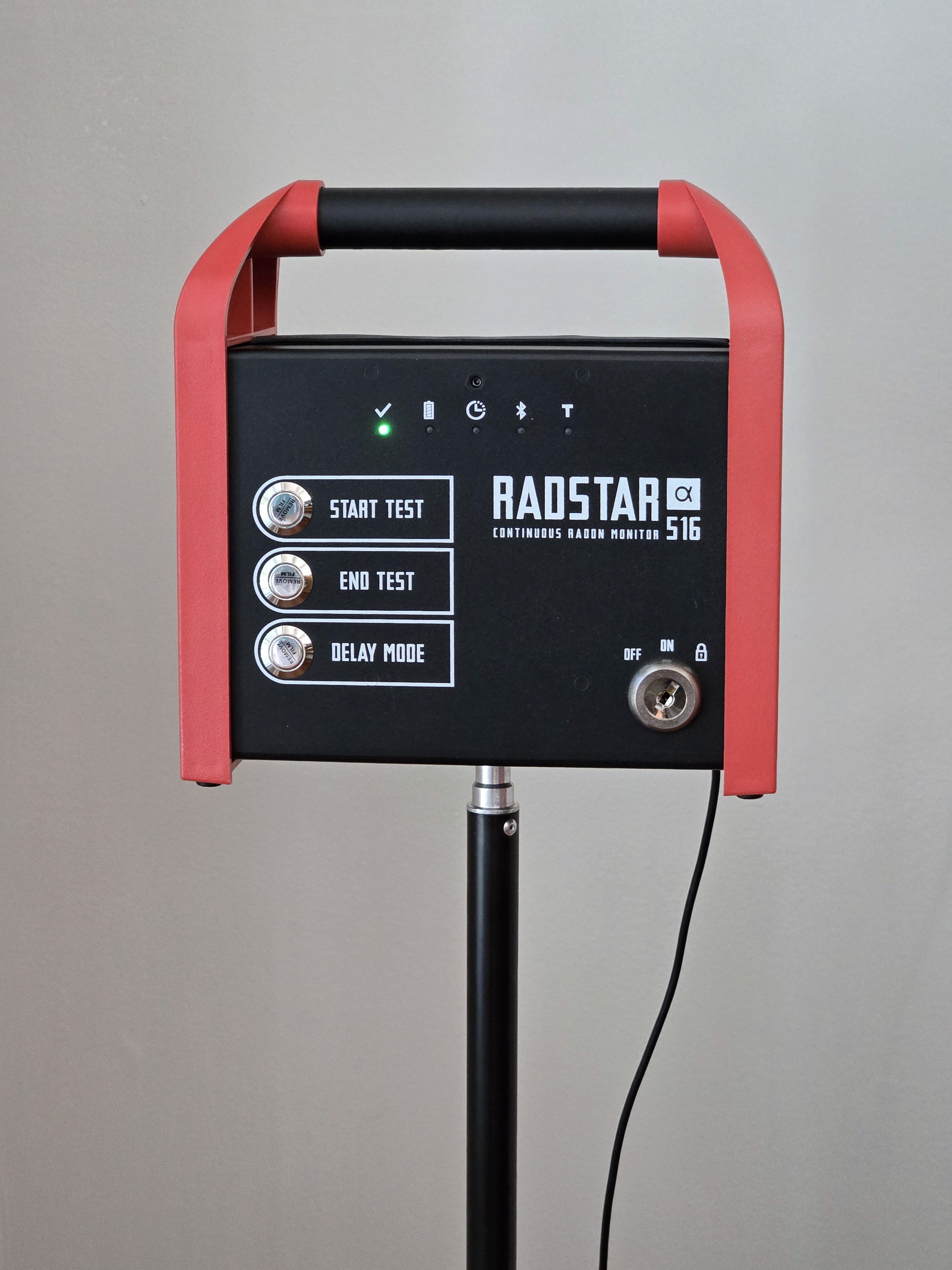
Placement of calibrated radon testing equipment
Measurement of radon levels during the testing period
Documentation of testing conditions
Digital report explaining the measured radon level
What to Expect During Radon Testing
A clear, step-by-step process so you know exactly what happens next.
01
Schedule the Test
Radon testing can be scheduled with your home inspection or as a standalone service.
02
Equipment Placement
Testing equipment is placed in the appropriate area of the home according to testing guidelines.
03
Testing Period
The equipment measures radon levels during the required testing window.
04
Results Reported
A report explains the measured radon level and testing conditions.
05
Questions Answered
If you have questions about the results, I’m available to discuss them with you.
Who Should Consider Radon Testing
Homebuyers during the due diligence period
Homeowners who want to understand indoor air conditions
Sellers preparing a home for the market
Real estate investors evaluating property risks

Home Inspection FAQs
Q
What is radon?
A
Radon is a naturally occurring radioactive gas produced by the breakdown of uranium in soil and rock.
Q
What happens if radon levels are elevated?
A
If elevated radon levels are detected, mitigation systems can often reduce radon concentrations. A qualified radon mitigation professional can recommend next steps.
Q
How long does radon testing take?
A
Radon testing typically requires a 24-Hour testing period in order to measure radon levels under controlled conditions.
Q
Is radon testing required during a home purchase?
A
Radon testing is not always required, but many buyers choose to test during the due diligence period.
Q
Do all homes have radon?
A
Radon can be present in homes across many regions. Levels vary from property to property.
Q
Why are elevated radon levels a concern?
A
Radon is a radioactive gas, and elevated indoor levels can be a health concern over time. Testing helps buyers and homeowners understand whether a home has an elevated radon level and whether mitigation should be considered.
Q
Can radon be detected without testing?
A
No. Radon cannot be seen, smelled, or tasted. Testing is the only way to determine radon levels in a home.
Q
Do homes in the Triangle have radon?
A
Radon can be present in homes throughout North Carolina. Levels vary from property to property, which is why testing is recommended.
Schedule Radon Testing in The Triangle
If you’re buying or selling a home in Raleigh, Cary, Apex, Durham, or Chapel Hill, radon testing can provide important information about the home’s indoor environment.
Radon testing can be scheduled as an add-on to a home inspection or as a standalone service.