
Sewer Scope Inspection in the Triangle, NC
See the condition of the home's sewer line before you close.
A sewer scope inspection uses a specialized camera to evaluate the condition of the home's main sewer line from the house to the municipal connection or septic system.
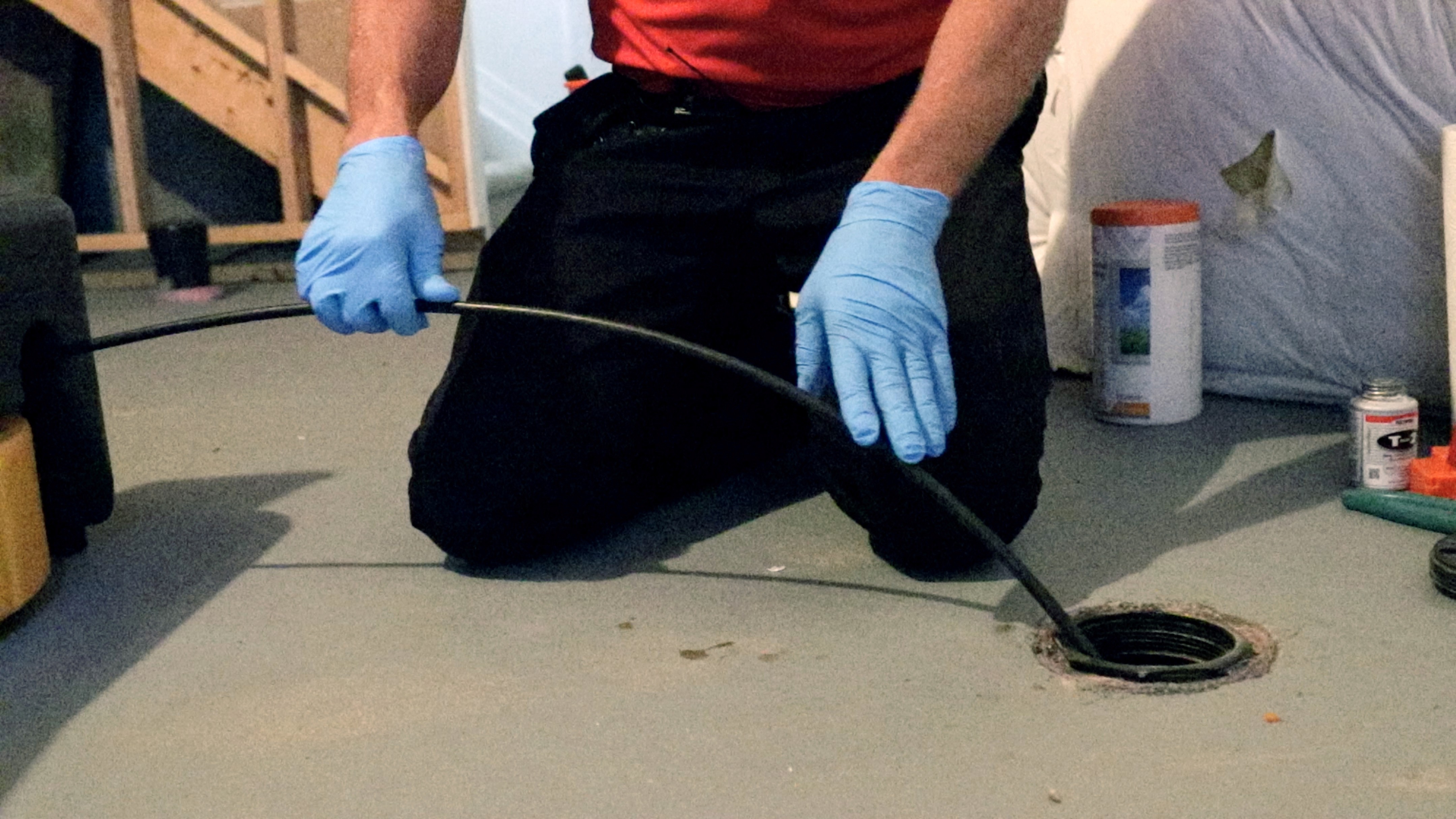
A sewer scope inspection allows the inspector to evaluate the condition of the home’s underground sewer line, a critical system that cannot be seen during a standard home inspection.
Because the pipe is buried beneath the property, problems such as root intrusion, pipe separation, blockages, or deteriorating materials can go unnoticed until they cause major plumbing failures.
A sewer scope provides buyers with a clear understanding of the sewer line’s visible condition before purchasing the home.
A sewer scope inspection uses a waterproof camera inserted into the home’s main sewer line to evaluate the visible interior condition of the pipe.
A sewer scope inspection is commonly recommended when:
Tree Root Intrusion
Sagging / Bellied Pipes
Pipe Separation
Cracked Sewer Lines
Blockages / Buildup
Collapsed Sewer Line
Why Sewer Line Inspections Matter
Identifies hidden sewer problems before they turn into major repairs.
Hidden Damage
Catches: cracked pipes, separated joints, blockages, and deteriorating sewer materials.
Prevents: discovering expensive underground plumbing problems after you move in.
Tree Root Intrusion
Catches: roots growing inside sewer pipes that can restrict flow or cause blockages.
Prevents: recurring backups and costly sewer line repairs caused by root damage.
Costly Repairs
Catches: visible pipe damage or deterioration before closing.
Prevents: unexpected repair costs that can range from minor fixes to full sewer line replacement.
Underground sewer lines cannot be evaluated during a standard home inspection, which is why many buyers add a sewer scope inspection during their due diligence period.
A sewer scope inspection is commonly recommended when:
The home is 20+ years old
Large trees are located near the sewer line
The home uses older pipe materials
There have been previous plumbing backups
The property has undergone additions or modifications
After final grading on newly constructed homes
What Do You Receive with a Sewer Scope Inspection?
Clear documentation of the sewer line’s visible condition.
Video footage of the sewer line interior.
Identification of visible issues such as blockages, root intrusion, or pipe damage
Documentation of the pipe’s general condition and flow.
A summary of findings included in your inspection report.
Recommendations for further evaluation if significant issues are observed.
If significant issues are observed, further evaluation by a licensed plumbing professional may be recommended.
What are the limitations of a sewer scope inspection?
Like all inspection services, a sewer scope inspection has limitations.
While it provides valuable insight into the visible condition of the sewer line, it cannot detect every possible issue.
What a Sewer Scope Cannot Detect
Limitations include:
Sections of pipe the camera cannot safely reach or pass through.
Underground pipe areas that are completely blocked by debris or severe damage.
Leaks or failures occurring outside the pipe wall and underground soil.
Future pipe deterioration or conditions that develop after the inspection.
Full plumbing system performance beyond the visible sewer line.
The inspection evaluates visible and accessible conditions at the time of the inspection.
What to Expect During a Sewer Scope Inspection
A step-by-step look at how the sewer scope inspection is performed.
01
Access
The inspector locates an accessible entry point to the sewer line, such as an exterior cleanout or drain connection.
02
Camera Insertion
A specialized camera is inserted into the sewer line and guided through the pipe.
Sewer Line Evaluation
The interior of the sewer line is visually evaluated in real time as the camera travels through the pipe.
04
Documentation
Visible conditions such as blockages, root intrusion, pipe damage, or deterioration are recorded.
05
Report Delivery
A summary of findings is included in your inspection report.
Who This Service Is For
Homebuyers purchasing older homes where underground sewer pipes may be deteriorating.
Buyers wanting additional due diligence before closing on a home purchase.
Home sellers preparing a property and wanting to identify issues before listing.
When buying a new home. Heavy equipment can damage pipes during final grading.
Homeowners experiencing slow drains or previous plumbing backups.
Homes with large trees near sewer lines where root intrusion may occur.

Sewer Scope Inspection FAQs
Q
Is a sewer scope included in a standard home inspection?
A
No. Sewer lines are underground and are not typically evaluated during a standard home inspection. A sewer scope inspection is an optional add-on service.
Q
Will I receive video of the sewer line?
A
Video or images will be recorded during the inspection to document the findings.
Q
What happens if a problem is found?
A
If visible issues are observed, the report will document the condition and recommend further evaluation by a licensed plumbing professional when appropriate.
Q
Should I get a sewer scope on a newer home?
A
Even newer homes can benefit from a sewer scope inspection. Construction debris, improper pipe installation, or damage that occurred during construction can sometimes affect sewer lines. A camera inspection helps confirm the condition of the line before you move in.
Q
How long does a sewer scope inspection take?
A
Most sewer scope inspections take approximately 30 to 60 minutes, depending on pipe length and accessibility.
Q
Can every sewer line be inspected?
A
Not always. Some homes may not have accessible cleanouts, or the camera may not be able to pass through certain blockages or pipe conditions.
Know the Condition of the Sewer Line Before You Close
Hidden sewer problems can be expensive and difficult to detect without a camera inspection.
Adding a sewer scope during your home inspection helps provide additional information about the home’s underground plumbing system.
This comes up most often in older, established neighborhoods around Raleigh, Durham, and Chapel Hill, where clay or cast iron sewer lines are still common.