
Home Inspection in the Triangle, NC

Know Exactly What You’re Buying Before You Close.

FREE Drone + Infrared. Reports Delivered in 24 Hours.

NC Licensed (NC 6133) • FAA Part 107 • Fully insured
Licensed • FAA Certified • 20+ Years Construction Experience • 24-Hour Reports

Licensed • FAA Certified • 24-Hour Reports

What You Receive After the Inspection

What You Receive After the Inspection

A photo-rich inspection report written in plain English

Clear descriptions that are specific to your property (not filled with generic canned comments)

Findings are presented in a structured, easy-to-follow format so you can quickly understand the home’s condition, with reports typically delivered within 24 hours.

The ability to ask follow-up questions after you review the report

See What Other Inspectors Miss

Drone Roof Imaging*

Catches: missing shingles, flashing issues, gutter problems


Prevents: surprises after closing + you cannot see the roof cap or boot vents without a drone.

Infrared Thermal Scan

Catches: moisture patterns + insulation voids


Prevents: hidden leaks/mold-risk getting missed in a visual-only inspection.

Photos + Summary

Catches: the “what matters most” items in plain English


Prevents: Having to hunt through the report to see what’s most important.

*Included when conditions allow.

Licensed, Certified, and Built on Real Construction Experience

Mike Rumple is a North Carolina Licensed Home Inspector (NC 6133), FAA Part 107 certified remote pilot, and certified radon inspector. Before becoming a home inspector, Mike spent 20+ years in hands-on construction work including bath and kitchen remodels, residential repairs, and deck design/build throughout Wake, Durham, Chatham, and Guilford Counties.

Mike Rumple licensed North Carolina home inspector explaining inspection findings

Licensed, Certified, and Built on Real Construction Experience

Mike Rumple is a North Carolina Licensed Home Inspector (NC 6133), FAA Part 107 certified remote pilot, and certified radon inspector. Before becoming a home inspector, Mike spent 20+ years in hands-on construction work including bath and kitchen remodels, residential repairs, and deck design/build throughout Wake, Durham, Chatham, and Guilford Counties.

Mike Rumple licensed North Carolina home inspector explaining inspection findings

What’s Included in Your North Carolina Home Inspection

Performed in accordance with the NC Home Inspector Licensure Board Standards of Practice

Inspection Coverage

Structural Components

• Foundation type and visible condition • Floor structure and support systems • Wall structure and framing integrity as visible • Columns, piers, and structural supports • Ceiling structure and visible framing components • Roof structure and framing as visible in attic areas • Signs of structural movement or settlement • Evidence of wood rot, deterioration, or insect damage • Signs of abnormal moisture or water intrusion affecting structure • Crawlspace structural components and supports • Attic structural framing and roof decking condition • Areas where structural components may require further evaluation

Roofing System

• Roof covering materials and general condition • Visible roof wear, damage, or missing materials • Flashing at roof penetrations and transitions • Chimneys, skylights, and roof penetrations • Gutters, downspouts, and roof drainage systems • Evidence of roof leaks or previous repairs • Signs of abnormal moisture or staining in attic spaces • Roof slope and drainage performance • Areas prone to water intrusion or deterioration • Method used to inspect the roof (walked, ladder, drone, etc.) • Overall visible life stage of roofing materials

Electrical System

• Main electrical service equipment and service rating • Electrical panelboards and circuit breaker condition • Branch wiring types where visible • Grounding and bonding components where visible • GFCI protection at required locations • A representative number of switches, receptacles, and lighting fixtures • Smoke and carbon monoxide alarm presence and basic function • Signs of overheating, improper wiring, or unsafe conditions • Electrical disconnects for major equipment • Visible electrical defects that may present safety concerns

Air Conditioning System

• Central air conditioning equipment operation • Cooling system type and configuration • Thermostat cooling response • Visible refrigerant line insulation and connections • Condenser unit condition and installation • Condensate drainage system • Air handler and evaporator components where accessible • Ductwork condition and airflow distribution • Signs of leaks, corrosion, or damage • Electrical disconnect and safety components • Overall visible condition of cooling equipment

Insulation & Ventilation

• Attic insulation presence and distribution • Insulation in unfinished spaces where visible • Attic ventilation components such as ridge, soffit, and gable vents • Mechanical ventilation systems where present • Signs of inadequate ventilation or heat buildup • Moisture, mold-like growth, or staining in attic areas • Bathroom exhaust fan ventilation • Dryer vent termination and condition • Crawlspace ventilation where applicable • Evidence of condensation or moisture accumulation • Overall effectiveness of visible insulation and ventilation systems

Exterior

• Exterior wall coverings, siding, brick, or stucco condition • Exterior trim, flashing, and weatherproofing details • Entry doors and a representative number of windows • Garage doors and automatic safety reversing devices • Decks, balconies, porches, steps, and guardrails • Exterior stairs and handrails for safety and stability • Eaves, soffits, and fascia condition • Driveways, walkways, patios, and retaining walls • Exterior grading and drainage around the home • Vegetation or landscaping affecting the structure • Visible damage, deterioration, or moisture intrusion at exterior surfaces

Plumbing System

• Interior water supply piping materials and condition • Drain, waste, and vent piping materials and visible condition • Functional water flow at fixtures • Sinks, toilets, tubs, showers, and faucets operation • Evidence of plumbing leaks or moisture damage • Water heater type, capacity, and visible condition • Water heater safety components and venting • Visible fuel piping and connections • Location of the main water shutoff valve • Exterior hose bibs and plumbing fixtures attached to the home • Sump pumps where present

Heating System

• Heating equipment type and energy source • Furnace, heat pump, or boiler operation using normal controls • Heating distribution systems (ductwork, radiators, etc.) • Air filters and accessible system components • Visible venting and flue systems • Thermostat operation and response • Safety controls and shutoff devices where accessible • Signs of improper installation or deterioration • Visible duct damage or disconnected ducts • Evidence of poor airflow or system performance • General visible condition of heating equipment

Interior Components

• Walls, ceilings, and floors for visible damage or defects • Entry and all interior door operation • Window operation • Interior stairways, railings, and guards • Cabinets and countertops condition • Evidence of water intrusion or interior moisture damage • Signs of structural movement such as cracks or uneven floors • Garage interior walls, ceilings, and doors • Fireplaces and visible components • Safety concerns observed within living areas • General interior finishes and functional components

Built-In Kitchen Appliances

• Installed range or cooktop operation • Oven operation using normal controls • Built-in microwave operation • Dishwasher operation through normal cycle • Garbage disposal operation • Range hood or kitchen exhaust ventilation • Visible condition of appliance connections • Signs of leaks at dishwasher or disposal connections • Proper mounting and installation of appliances • Electrical or gas connections where visible • Safety concerns related to appliance installation

Structural Components

• Foundation type and visible condition • Floor structure and support systems • Wall structure and framing integrity as visible • Columns, piers, and structural supports • Ceiling structure and visible framing components • Roof structure and framing as visible in attic areas • Signs of structural movement or settlement • Evidence of wood rot, deterioration, or insect damage • Signs of abnormal moisture or water intrusion affecting structure • Crawlspace structural components and supports • Attic structural framing and roof decking condition • Areas where structural components may require further evaluation

Exterior

• Exterior wall coverings, siding, brick, or stucco condition • Exterior trim, flashing, and weatherproofing details • Entry doors and a representative number of windows • Garage doors and automatic safety reversing devices • Decks, balconies, porches, steps, and guardrails • Exterior stairs and handrails for safety and stability • Eaves, soffits, and fascia condition • Driveways, walkways, patios, and retaining walls • Exterior grading and drainage around the home • Vegetation or landscaping affecting the structure • Visible damage, deterioration, or moisture intrusion at exterior surfaces

Roofing System

• Roof covering materials and general condition • Visible roof wear, damage, or missing materials • Flashing at roof penetrations and transitions • Chimneys, skylights, and roof penetrations • Gutters, downspouts, and roof drainage systems • Evidence of roof leaks or previous repairs • Signs of abnormal moisture or staining in attic spaces • Roof slope and drainage performance • Areas prone to water intrusion or deterioration • Method used to inspect the roof (walked, ladder, drone, etc.) • Overall visible life stage of roofing materials

Plumbing System

• Interior water supply piping materials and condition • Drain, waste, and vent piping materials and visible condition • Functional water flow at fixtures • Sinks, toilets, tubs, showers, and faucets operation • Evidence of plumbing leaks or moisture damage • Water heater type, capacity, and visible condition • Water heater safety components and venting • Visible fuel piping and connections • Location of the main water shutoff valve • Exterior hose bibs and plumbing fixtures attached to the home • Sump pumps where present

Electrical System

• Main electrical service equipment and service rating • Electrical panelboards and circuit breaker condition • Branch wiring types where visible • Grounding and bonding components where visible • GFCI protection at required locations • A representative number of switches, receptacles, and lighting fixtures • Smoke and carbon monoxide alarm presence and basic function • Signs of overheating, improper wiring, or unsafe conditions • Electrical disconnects for major equipment • Visible electrical defects that may present safety concerns

Heating System

• Heating equipment type and energy source • Furnace, heat pump, or boiler operation using normal controls • Heating distribution systems (ductwork, radiators, etc.) • Air filters and accessible system components • Visible venting and flue systems • Thermostat operation and response • Safety controls and shutoff devices where accessible • Signs of improper installation or deterioration • Visible duct damage or disconnected ducts • Evidence of poor airflow or system performance • General visible condition of heating equipment

Air Conditioning System

• Central air conditioning equipment operation • Cooling system type and configuration • Thermostat cooling response • Visible refrigerant line insulation and connections • Condenser unit condition and installation • Condensate drainage system • Air handler and evaporator components where accessible • Ductwork condition and airflow distribution • Signs of leaks, corrosion, or damage • Electrical disconnect and safety components • Overall visible condition of cooling equipment

Interior Components

• Walls, ceilings, and floors for visible damage or defects • Entry and all interior door operation • Window operation • Interior stairways, railings, and guards • Cabinets and countertops condition • Evidence of water intrusion or interior moisture damage • Signs of structural movement such as cracks or uneven floors • Garage interior walls, ceilings, and doors • Fireplaces and visible components • Safety concerns observed within living areas • General interior finishes and functional components

Insulation & Ventilation

• Attic insulation presence and distribution • Insulation in unfinished spaces where visible • Attic ventilation components such as ridge, soffit, and gable vents • Mechanical ventilation systems where present • Signs of inadequate ventilation or heat buildup • Moisture, mold-like growth, or staining in attic areas • Bathroom exhaust fan ventilation • Dryer vent termination and condition • Crawlspace ventilation where applicable • Evidence of condensation or moisture accumulation • Overall effectiveness of visible insulation and ventilation systems

Built-In Kitchen Appliances

• Installed range or cooktop operation • Oven operation using normal controls • Built-in microwave operation • Dishwasher operation through normal cycle • Garbage disposal operation • Range hood or kitchen exhaust ventilation • Visible condition of appliance connections • Signs of leaks at dishwasher or disposal connections • Proper mounting and installation of appliances • Electrical or gas connections where visible • Safety concerns related to appliance installation

All findings are based on visible and accessible conditions at the time of the inspection.

What’s Included at No Extra Charge

Included is infrared thermal scanning and, when conditions allow, drone roof imaging for free. These tools help document roof conditions and identify potential moisture intrusion or thermal anomalies that may not be visible during a standard visual inspection.

What a Home Inspection Does Not Include

A home inspection is a visual, non-invasive evaluation and does not include destructive testing, full code compliance verification, or specialized environmental testing unless added separately.

When Specialized Evaluation Is Recommended

If I see signs that something needs a specialist, I’ll clearly document it and recommend next steps (for example: roofing contractor, licensed electrician, plumber, HVAC technician, or structural engineer). If you’re unsure which add-ons are appropriate for the home you’re purchasing, I’m happy to provide guidance based on the property’s age, condition, and location.

Inspections Are Visual and Non-Invasive

In accordance with North Carolina Standards of Practice:

Inspections are not technically exhaustive

Systems are evaluated based on visible and accessible conditions

Destructive testing is not performed

If specialized evaluation is needed, I clearly recommend next steps in the report.

Licensed North Carolina Home Inspector (NC 6133)

What to Expect During Your Inspection

A clear, step-by-step process so you know exactly what happens next.

01

Schedule

Book online or call to pick a time that fits your due diligence timeline.

02

On-Site Inspection

A detailed evaluation of accessible systems and components, inside and out.

03

Drone & Infrared Review

FREE Roof imaging and thermal scanning are performed when conditions allow.

04

Detailed Report

Your report is typically delivered within 24 hours, with photos and clear explanations.

05

Follow-Up Support

Questions are welcome after you’ve reviewed the report.

Who This Home Inspection Is For

Homebuyers who want a clear picture of the property before committing

Buyers under due diligence who need fast scheduling and quick turnaround

Sellers who want to understand defects before listing

New construction buyers who want an independent evaluation before closing

Not Sure Which Add-Ons You Need?

I’ll help you decide based on the home’s age, location, and visible conditions.

Sewer scope inspection

Sewer scope inspection

Mold and air sampling

Mold and air sampling

Termite / WDO inspection

Termite / WDO inspection

Water quality testing

Water quality testing

Proudly Serving the Triangle, NC

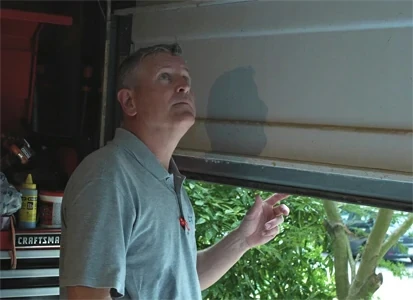
Mike Rumple reviewing exterior conditions with homeowner in the Triangle North Carolina

Rumple Home Inspections provides residential inspections throughout:


Wake County • Durham County • Orange County • Chatham County • Johnston County • Lee County


Including Raleigh, Cary, Apex, Durham, Chapel Hill, and surrounding communities.


Mike’s prior construction work was also completed extensively throughout Wake, Durham, Chatham, and Guilford Counties, giving him long-standing familiarity with regional building practices.

Proudly Serving the Triangle, NC

Mike Rumple reviewing exterior conditions with homeowner in the Triangle North Carolina

Rumple Home Inspections provides residential inspections throughout:


Wake County • Durham County • Orange County • Chatham County • Johnston County • Lee County


Including Raleigh, Cary, Apex, Durham, Chapel Hill, and surrounding communities.


Mike’s prior construction work was also completed extensively throughout Wake, Durham, Chatham, and Guilford Counties, giving him long-standing familiarity with regional building practices.

Home Inspection FAQs

Q

Are you licensed and insured?

A

Yes. Mike Rumple is a North Carolina Licensed Home Inspector (NC 6133), carries General Liability coverage exceeding state minimum requirements, and maintains Errors & Omissions (E&O) Insurance as required.

Q

When will I get my inspection report?

A

Reports are delivered within 24 hours.

Q

Do you walk roofs?

A

When conditions allow, drone roof imaging is used to document roof conditions safely. Some roofs may not be walkable due to height, pitch, weather, or material.

Q

Is infrared always used?

A

Infrared thermal scanning is included and used when appropriate to support documentation of potential moisture intrusion, insulation gaps, or overheating components.

Q

How long does a home inspection take?

A

Most inspections take a few hours depending on the home’s size, age, and accessibility.

Q

Do you inspect new construction homes?

A

Yes. Mike inspects both new construction and existing homes, and especially enjoys evaluating older homes built in the early 1900s when homes were built by hand.

Q

Should I attend the inspection?

A

You’re welcome to attend. Many buyers find it helpful to join for the last portion to review major findings and ask questions.

Q

Is the inspection invasive?

A

No. Home inspections are visual and non-invasive. If specialized evaluation is recommended, it will be clearly stated in the report.

Ready to Move Forward With Confidence?

Licensed. Local. Reports in 24 Hours.

Rumple Home Inspections, LLC

(919) 880-7479


Copyright © 2026 Rumple Home Inspections, LLC

All Rights Reserved.


Website Created by SirksDigital LLC


Rumple Home Inspections, LLC

(919) 880-7479


Copyright © 2026 Rumple Home Inspections, LLC

All Rights Reserved.


Website Created by SirksDigital LLC


Rumple Home Inspections, LLC

(919) 880-7479


Copyright © 2026 Rumple Home Inspections, LLC

All Rights Reserved.


Website Created by SirksDigital LLC


Rumple Home Inspections, LLC

(919) 880-7479


Copyright © 2026 Rumple Home Inspections, LLC

All Rights Reserved.


Website Created by SirksDigital LLC